The event brought together researchers from ten countries, including China, Benin, Mongolia, Côte d'Ivoire, India, and Russia. The international lineup of speakers confirmed that mathematical thinking knows no borders, and the challenges facing the world are shared: managing risks in times of turbulence, training specialists for the big data era, and building a "green" economy based on precise calculations.
The scientific agenda focused on digital technologies in green finance and methods for assessing climate risks and carbon footprints; the integration of applied mathematics and IT into higher education as a prerequisite for training a new generation of engineers and analysts; modern approaches to modeling complex systems—from financial markets to biological processes; and the development of statistical and mathematical education as a foundation for evidence-based decision-making in the public and business sectors.
"The world needs not only programmers and economists, but above all, people who think mathematically: those who can bring order to chaos, identify patterns, and make data-driven decisions," was the key message of the conference.
On May 25, as part of the event, two youth sessions were held, where undergraduate, master's, and PhD students from Russia, Belarus, and Kyrgyzstan presented their research in both in-person and online formats. The topics of the youth sessions included:
Mathematical models and instrumental methods in scientific research: applied solutions for medicine, finance, and cybersecurity,
Digital tools and technologies in student projects: from anti-fraud systems to the reconstruction of ancient scripts.
The jury noted the high quality of the research and the participants' confident command of modern tools, including Python, neural networks, and machine learning techniques.
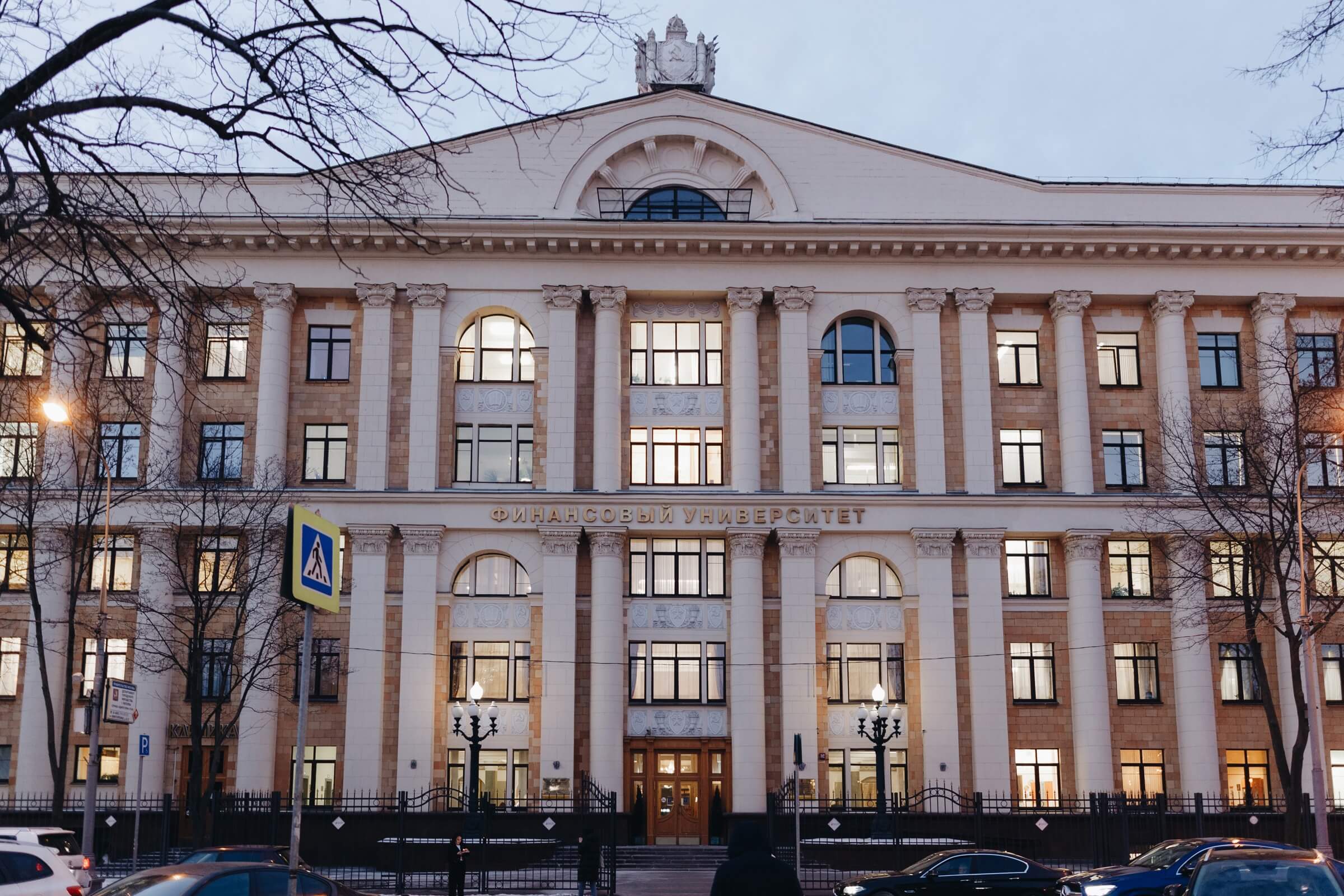
Following the conference, joint research projects, student exchange programs, and the development of new educational initiatives are planned. The organizers thank all participants, speakers, moderators, and jury members for their active involvement. The Financial University under the Government of the Russian Federation will continue to strengthen international cooperation and develop innovative approaches to mathematical education.