Version for the visually impaired

Text size:

Color scheme:

Images:

Site Search

Ru En
Samara Campus

Education that unlocks talents and leads to success!

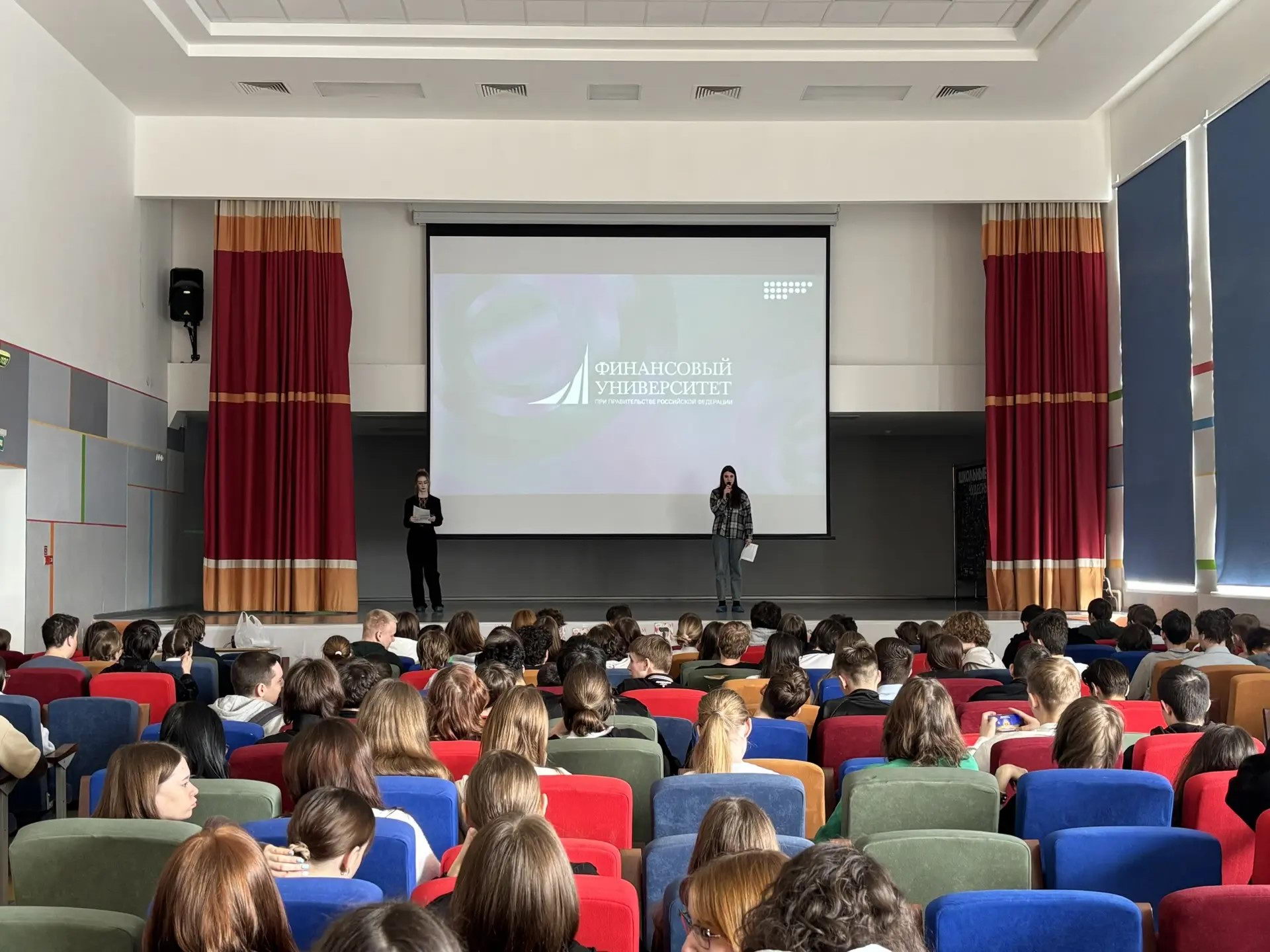
The Samara Branch of the Financial University is a modern centre of financial and economic education that combines a strong teaching staff, well-developed infrastructure and practice-oriented training. The Branch trains sought-after specialists in economics, finance and information technology. Students receive not only a high-quality education but also opportunities for academic, creative and sporting development, and take part in competitions, conferences and olympiads. Graduates of the Branch are in demand on the labour market and successfully complete their work placements and find employment in public authorities, banks, insurance companies and major organisations across the country.
1953

Year the campus was founded

971

Number of students (for the 2025/2026 academic year)

> 12,000

Number of graduates

12

Number of international graduates

12

Number of international students (for the 2025/2026 academic year)

6

educational programmes

  Campus and student life

Infrastructure

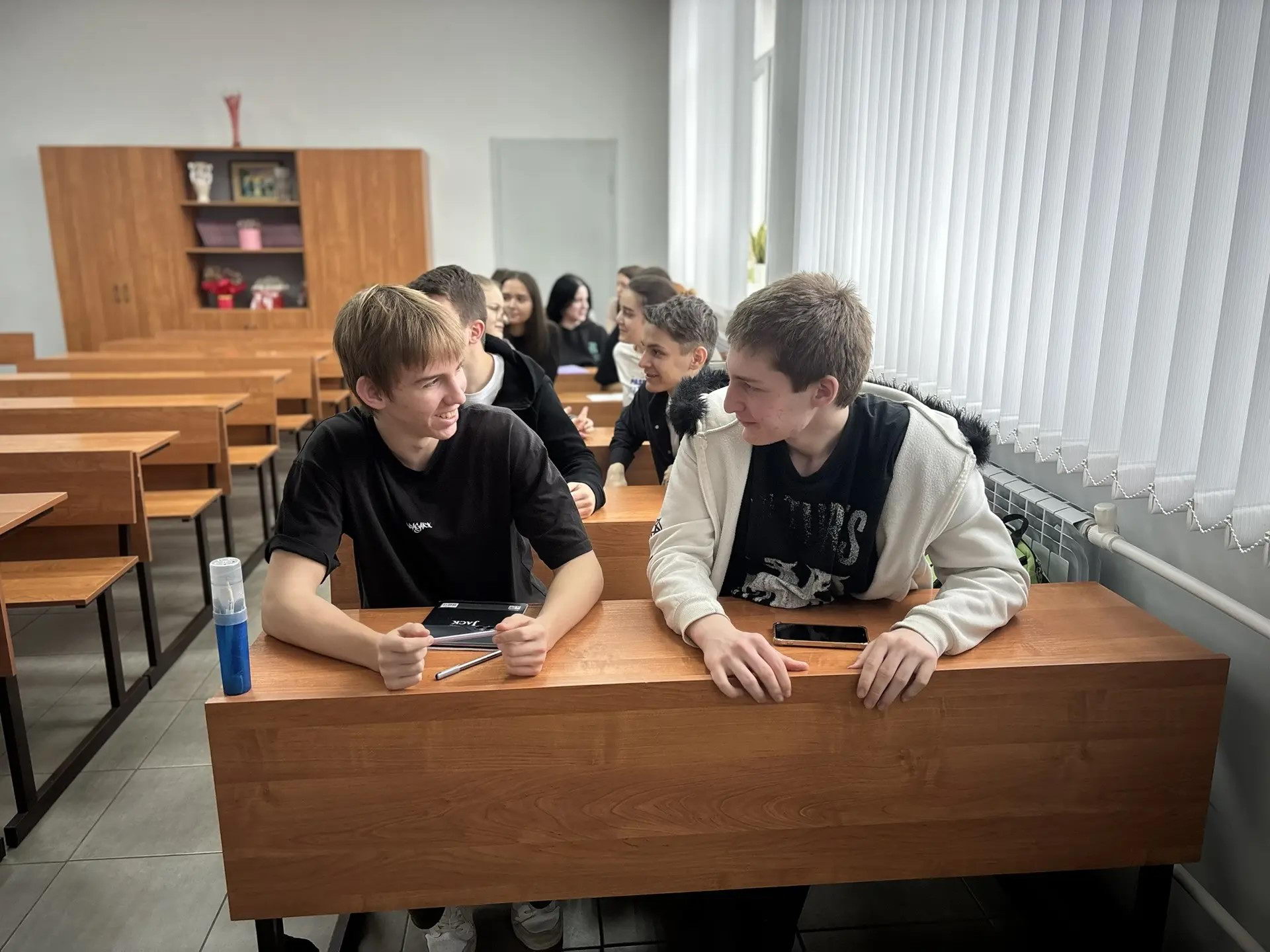
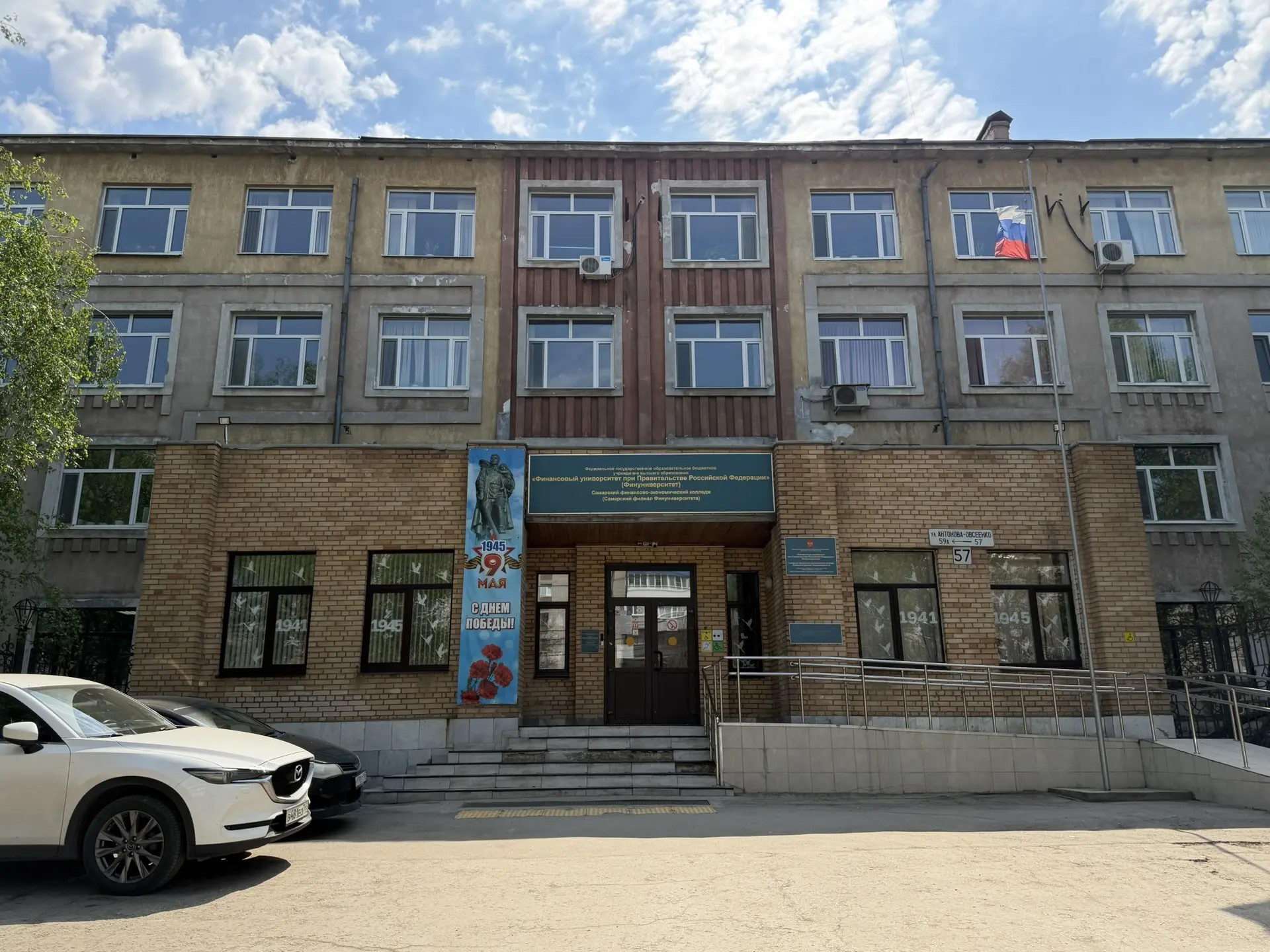
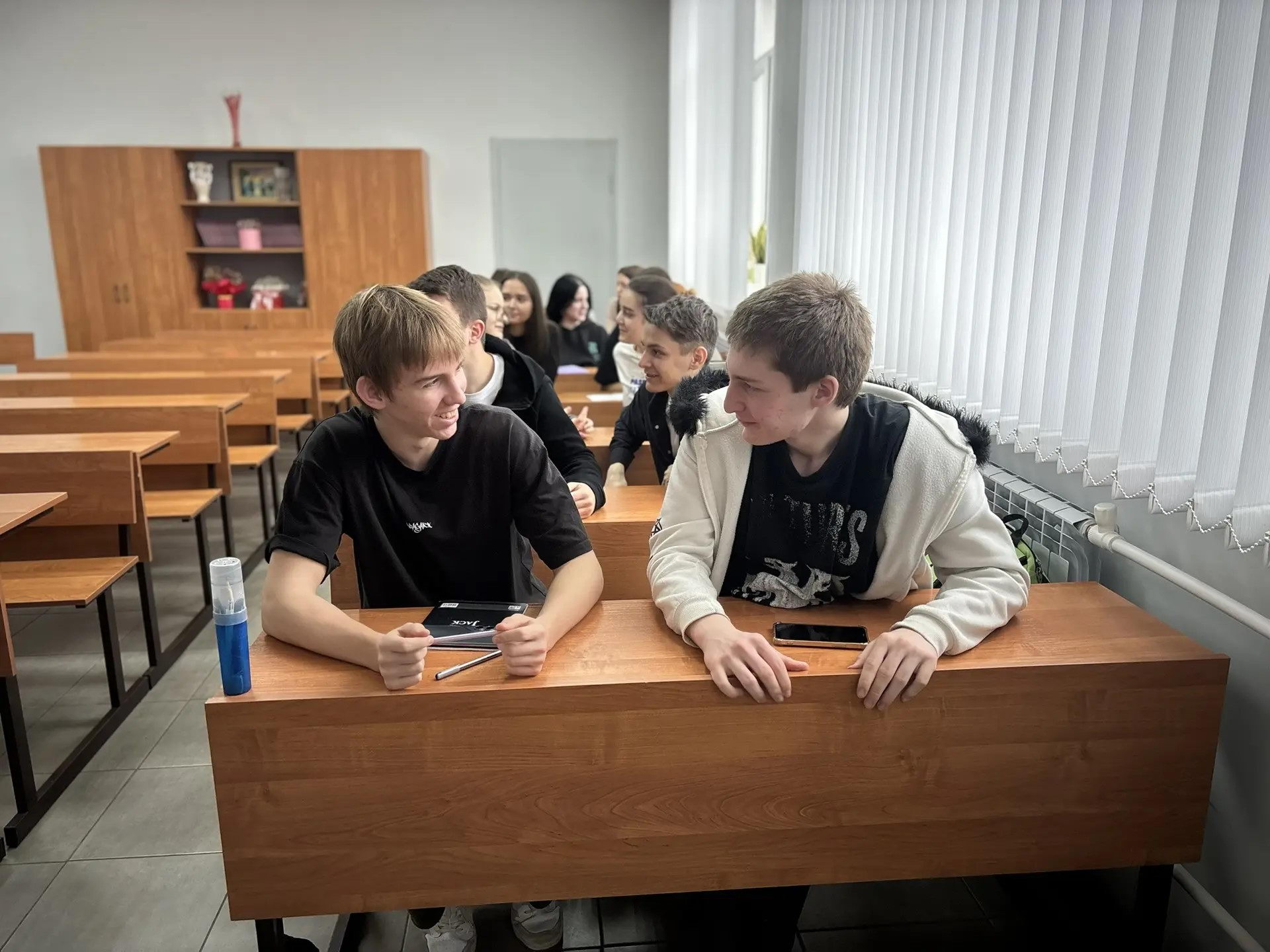
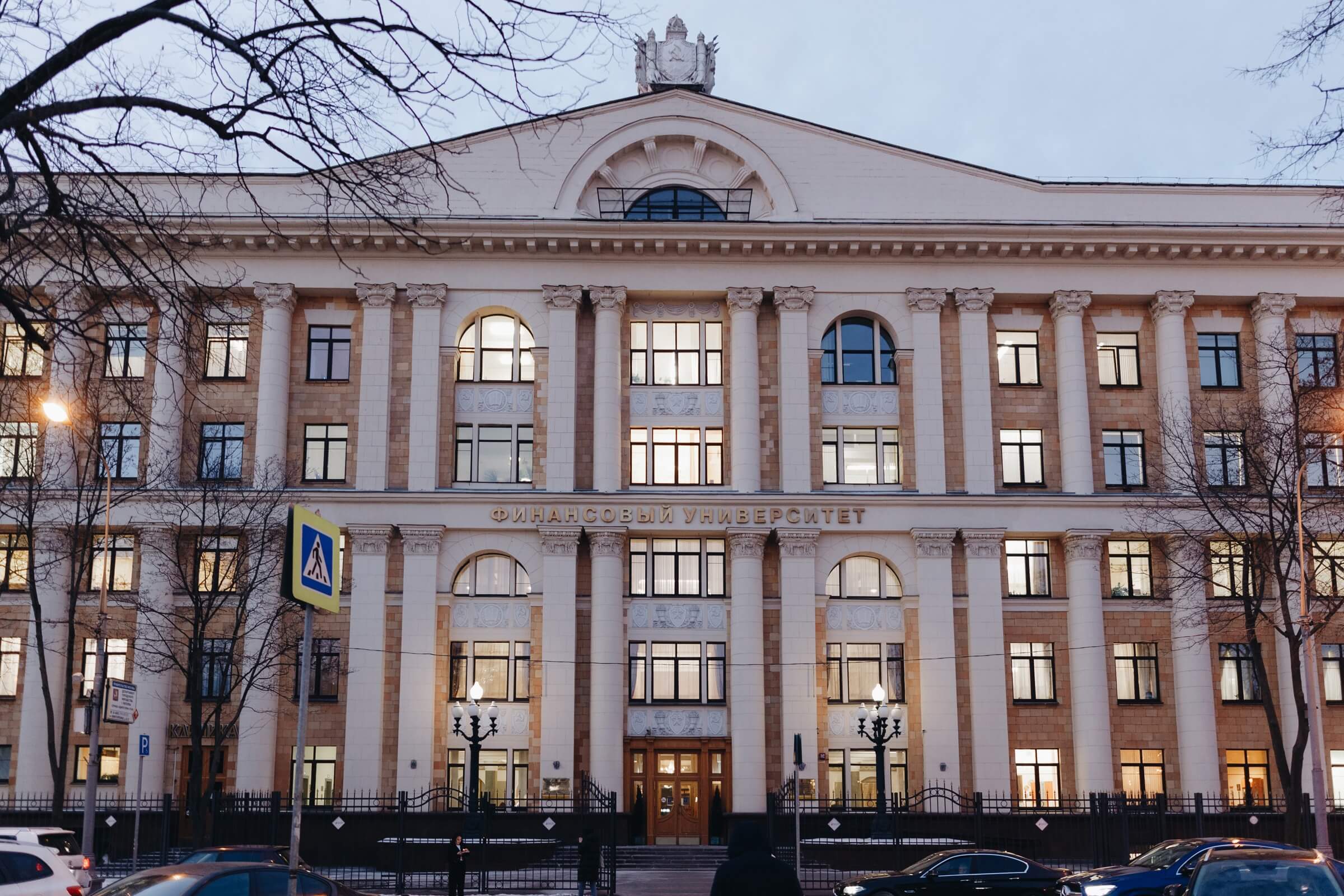
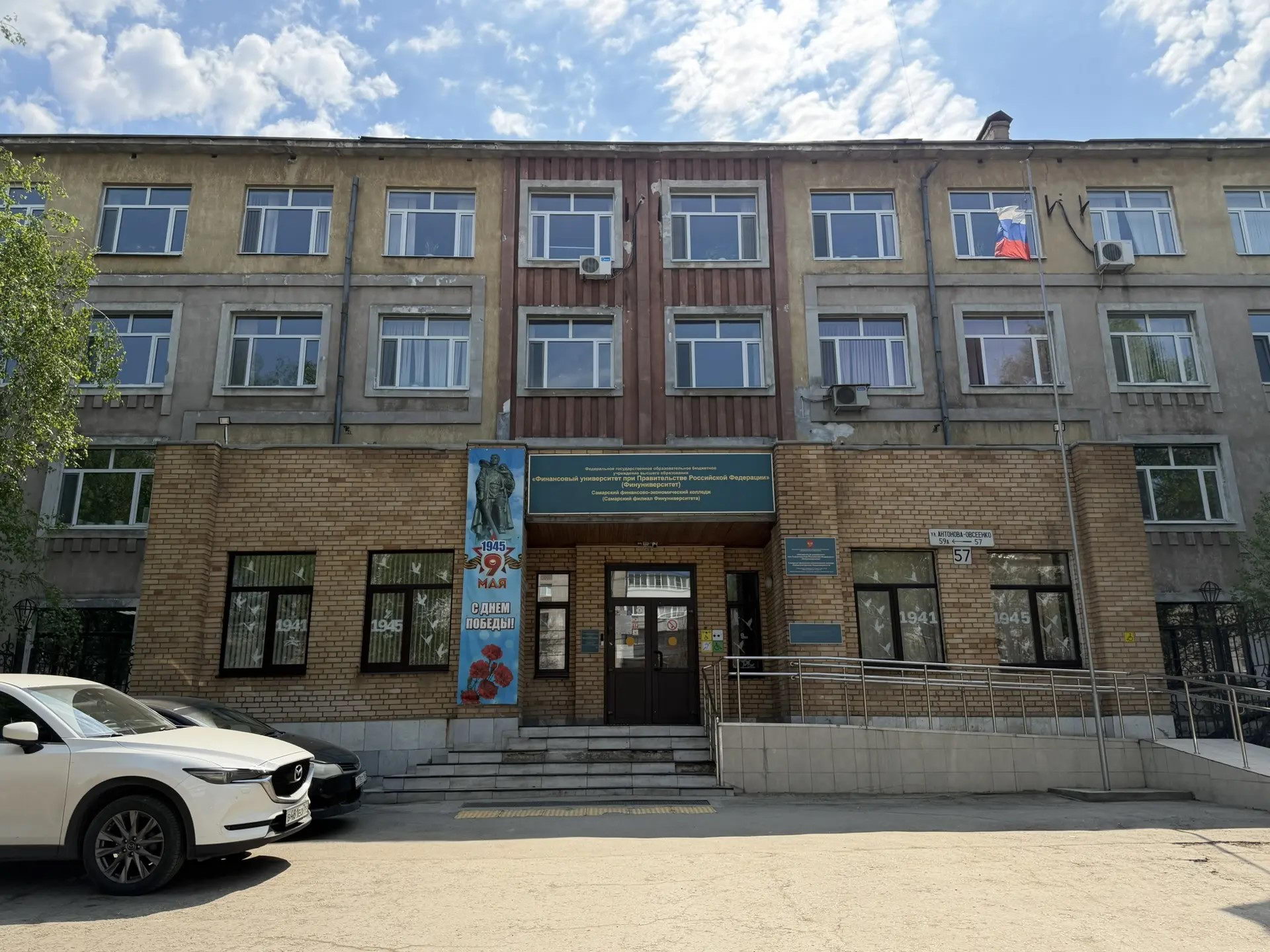
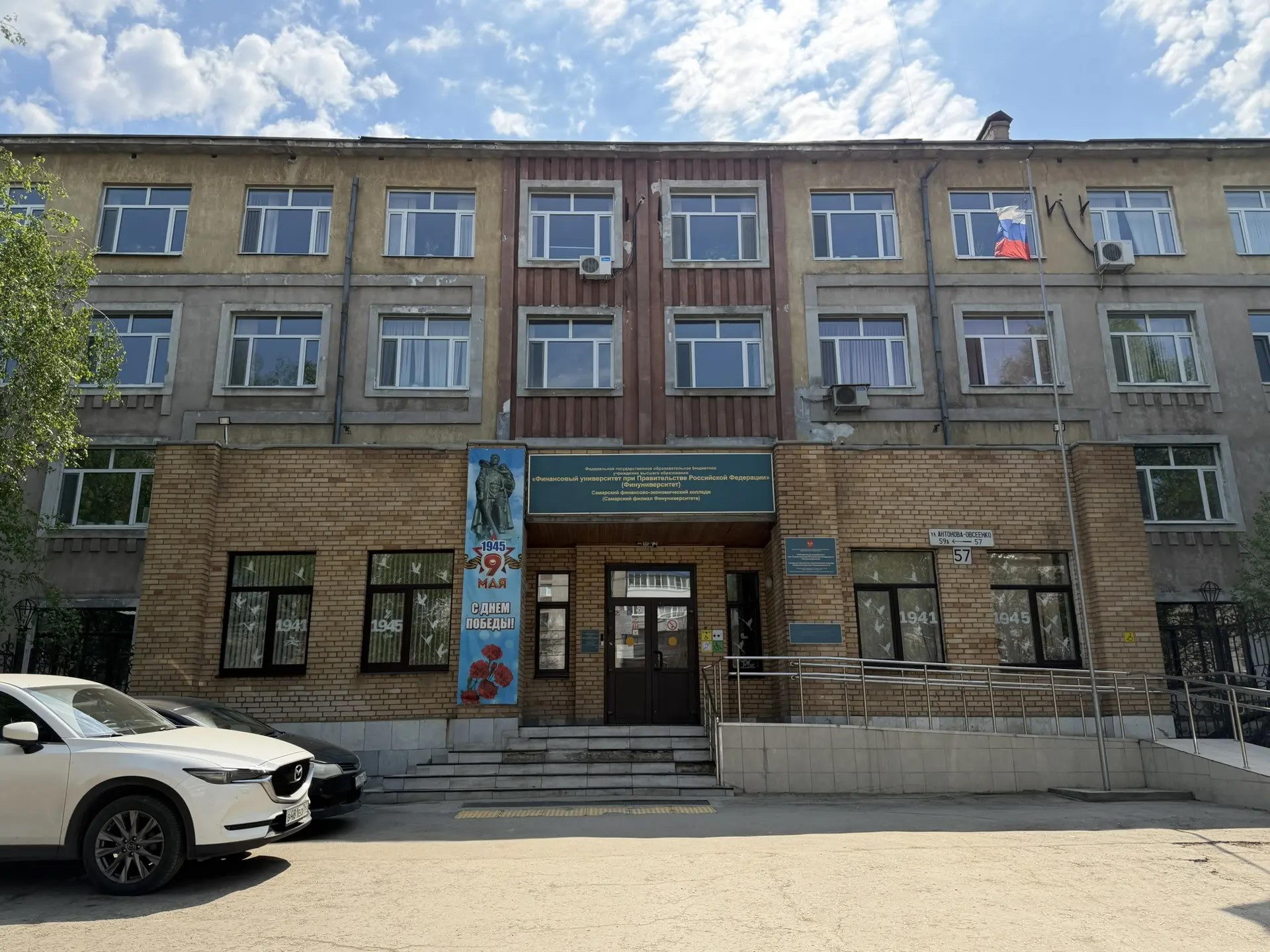
The academic building of the Samara Branch of the Financial University is located geographically in the centre of the city. The academic building is a four-storey building with convenient access and parking. The academic building comprises: classrooms equipped with multimedia equipment, interactive panels and projectors; 5 computer classrooms and a language laboratory; a library and a reading room; a canteen; coworking areas.
The sports and fitness complex includes a sports hall and a gym, which allows students to do sport both as part of the academic discipline “Physical Education” and in additional football, volleyball and basketball classes. The Samara Branch has two comfortable student halls of residence, which provide residents with proper rest and support the successful acquisition of knowledge.

Support for first-year students

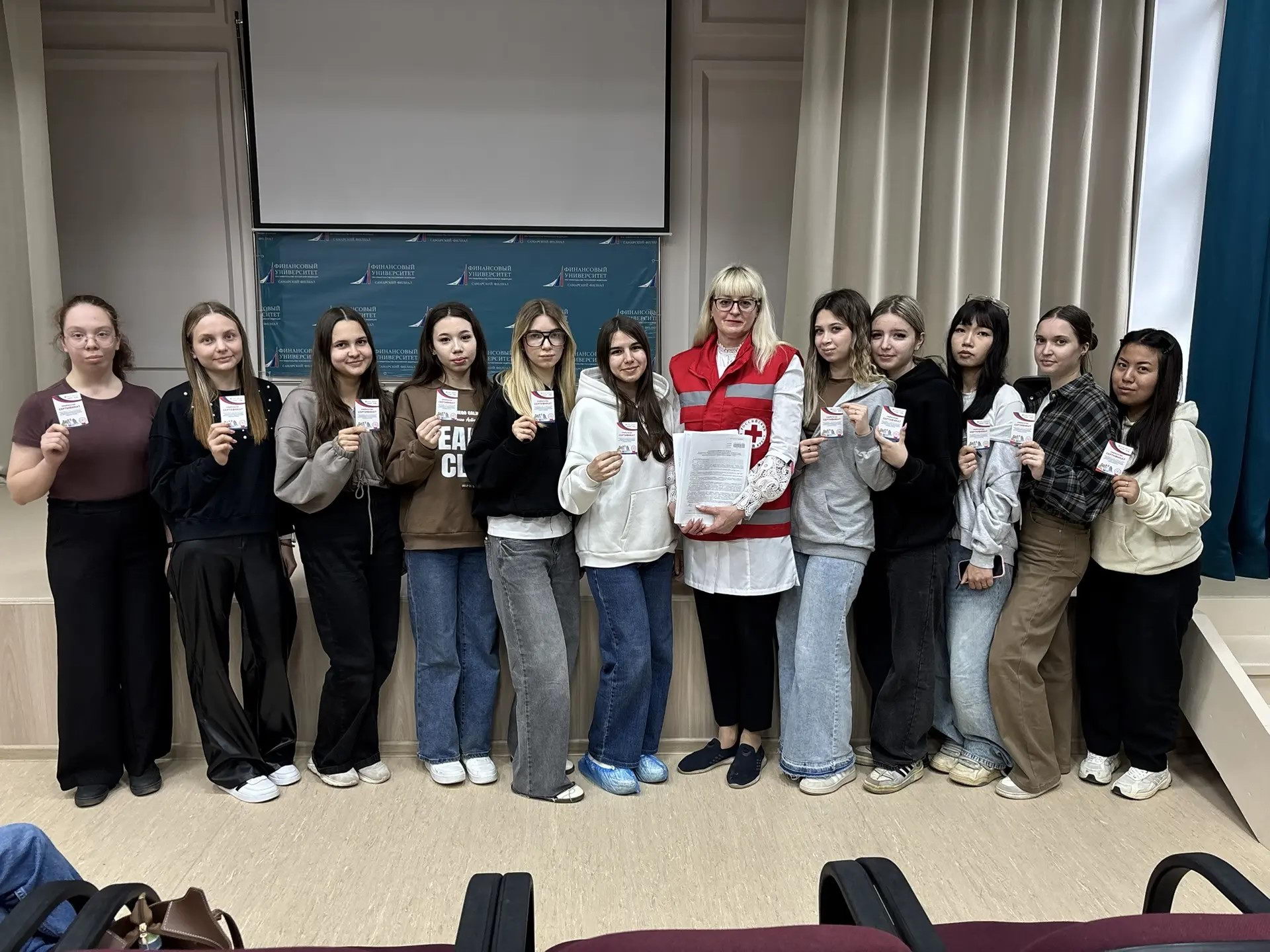
  The first year of study is a key stage in a student’s life. We help first-year students to settle into their new environment quickly and comfortably through a comprehensive adaptation programme:
· Introductory events: tours of the Branch, meetings with academic advisers and the administration, presentations by student associations.
· Team-building training: team games and exercises aimed at building trusting relationships within groups.
· Psychological assessment: identifying individual characteristics and potential difficulties with adaptation.
· Individual counselling with a psychologist: support in coping with the stress of moving to a new educational environment.
· Mentoring by senior students: the “Senior Friend” programme — help with organisational matters and an introduction to the traditions of the Branch.
· Information sessions: explanation of the internal regulations, the academic timetable and opportunities for extracurricular activities.
· Parents’ meetings: informing parents about the adaptation process and about ways of supporting students.

Student development work: areas and formats

  Student development work at the Branch is based on the principles of civic responsibility,
professionalism and social responsibility.
Main areas:
1.    Civic and patriotic education:
· meetings with veterans and representatives of state bodies;
· themed lectures and discussions on the role of the economy in the development of the country;
· participation in patriotic campaigns and commemorative dates.
2.    Professional and work-related education:
· master classes given by leading specialists from financial organisations;
· case championships in economics and finance;
· visits to banks, tax authorities and the treasury.
3.    Spiritual and moral education:
· ethics talks and round tables;
· volunteer projects (helping children and older people, environmental campaigns);
· charity events.
4.    Cultural and aesthetic development:
· creative competitions and festivals;
· visits to theatres, museums and exhibitions;
5.    Physical education and health promotion:
· sports clubs (basketball, volleyball and others);
· Health Days and mass exercise sessions.
6.    Prevention of antisocial behaviour:
· lectures on a healthy lifestyle;
· training in stress and conflict management;
· individual consultations with an educational psychologist.

Research work

Teaching staff and students at the Branch are actively engaged in research. Over the period 2021–2026, 137 articles were published, of which 2 in journals on the list of the Higher Attestation Commission (VAK), 2 monographs, 35 in the Russian Science Citation Index (RSCI)).
Every year students take part in research competitions such as:
- The All-Russian essay competition “Financier’s Day”
- The All-Russian essay competition “Rouble Day”
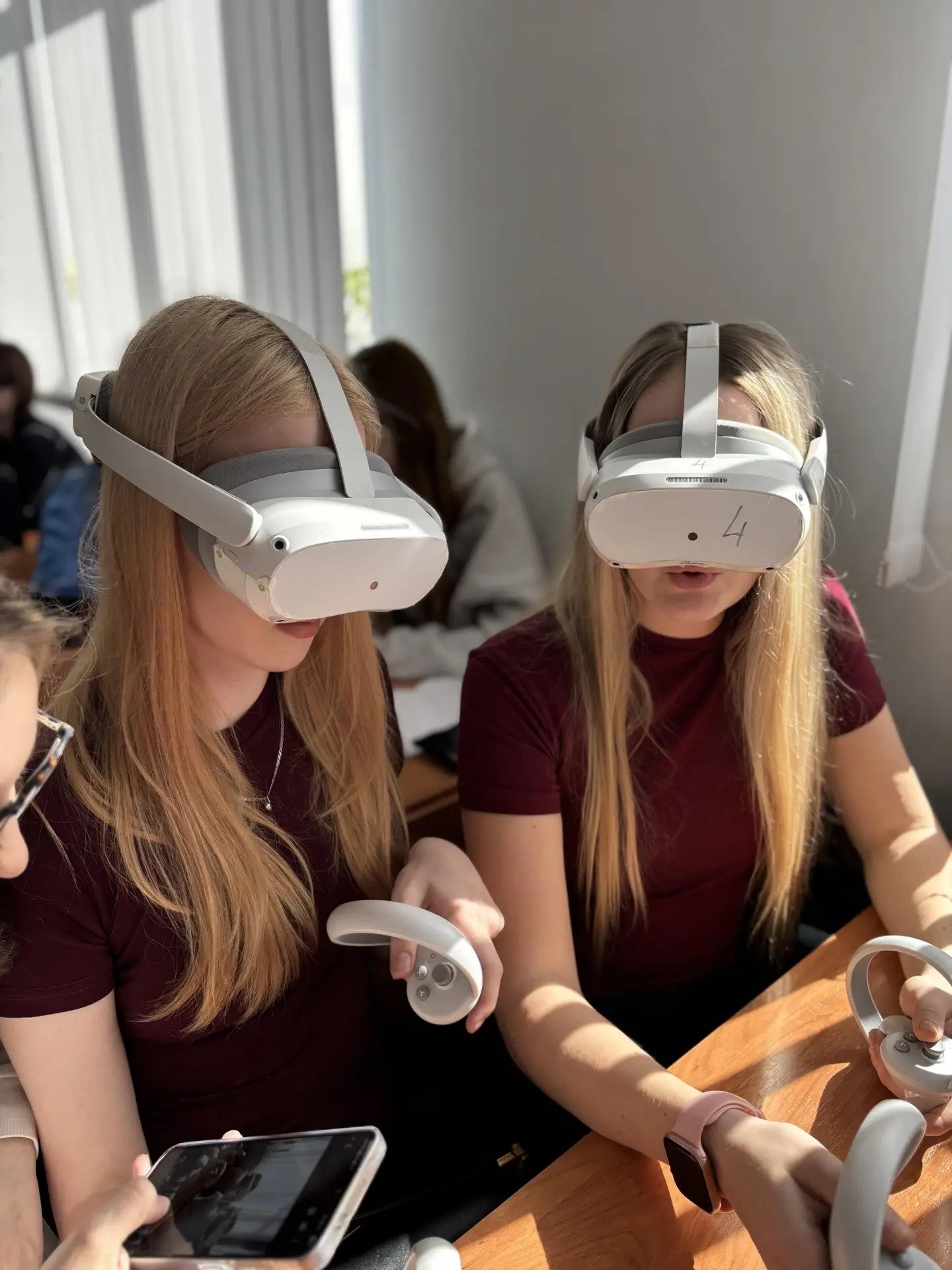
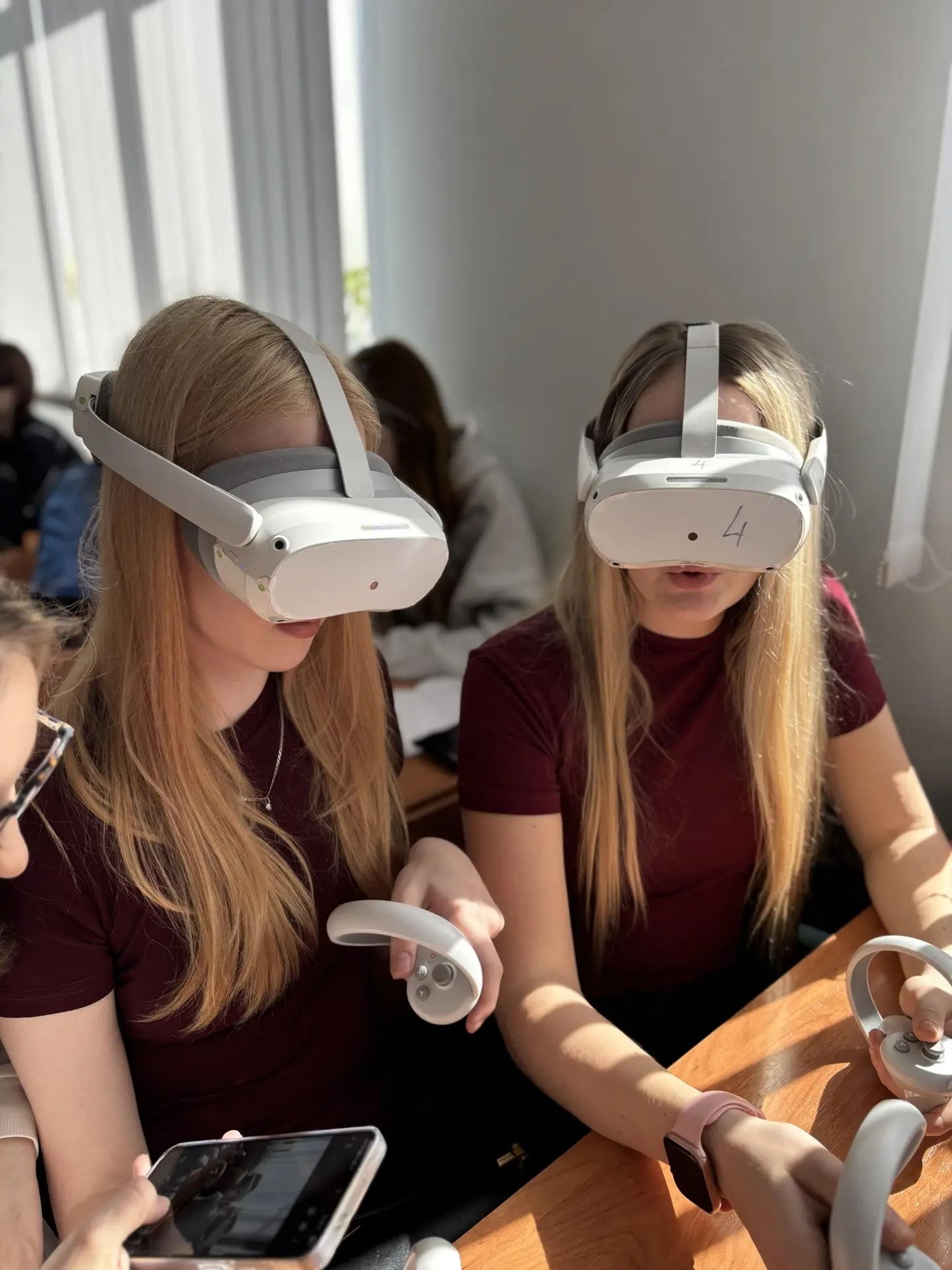
- The All-Russian competition of research and project works in virtual reality “VarFin”
- The All-Russian competition on the 1C:ITS information system
- The international competition for students and postgraduates “Finance in the Modern World”
- The international competition of research papers by students and postgraduates
- Hackathons.

  Educational programmes

Banking

Area of professional activity of graduates: carrying out, recording and monitoring banking operations for raising and placing funds, and providing banking services to clients in credit institutions.
The objects of the graduates’ professional activity are:

  • cash and non-cash funds;
  • the bank’s liabilities and claims;
  • information on the financial position of clients;
  • reporting documentation of credit institutions;
  • documents recording banking operations.

Types of professional activity for which the graduate is prepared:

  • handling settlement operations;
  • carrying out lending operations;
  • performing work in one or more manual trades or clerical positions.

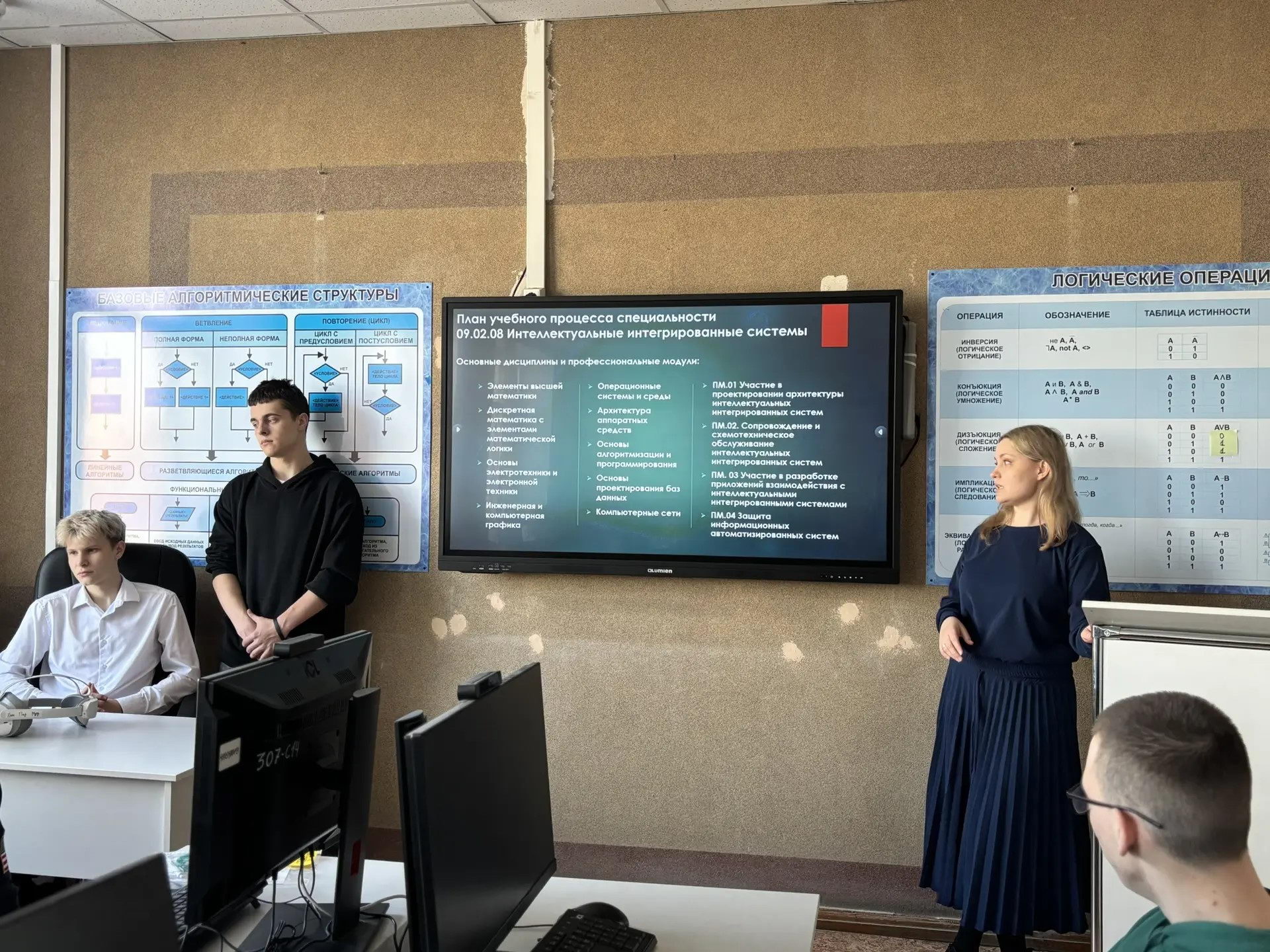
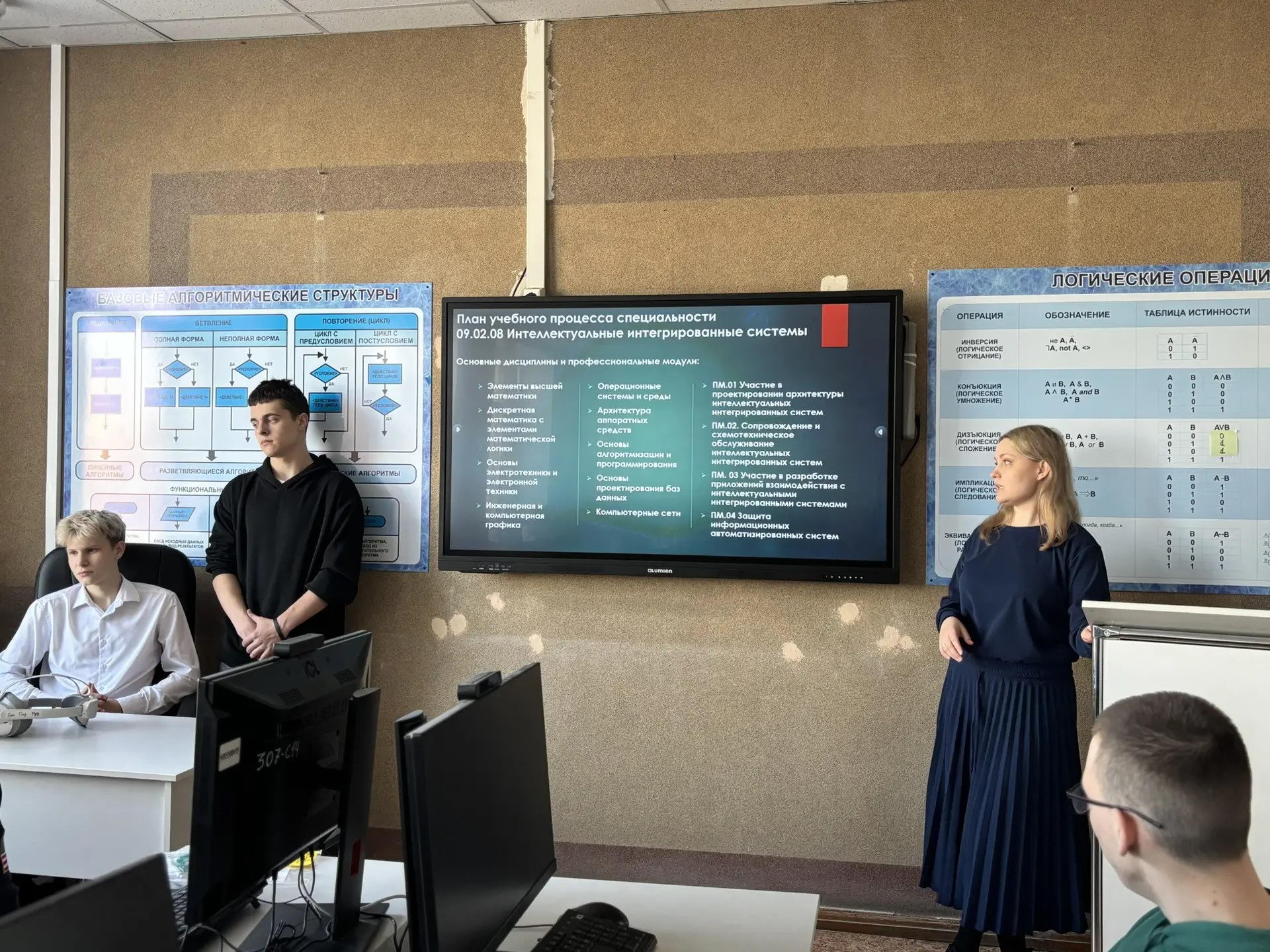
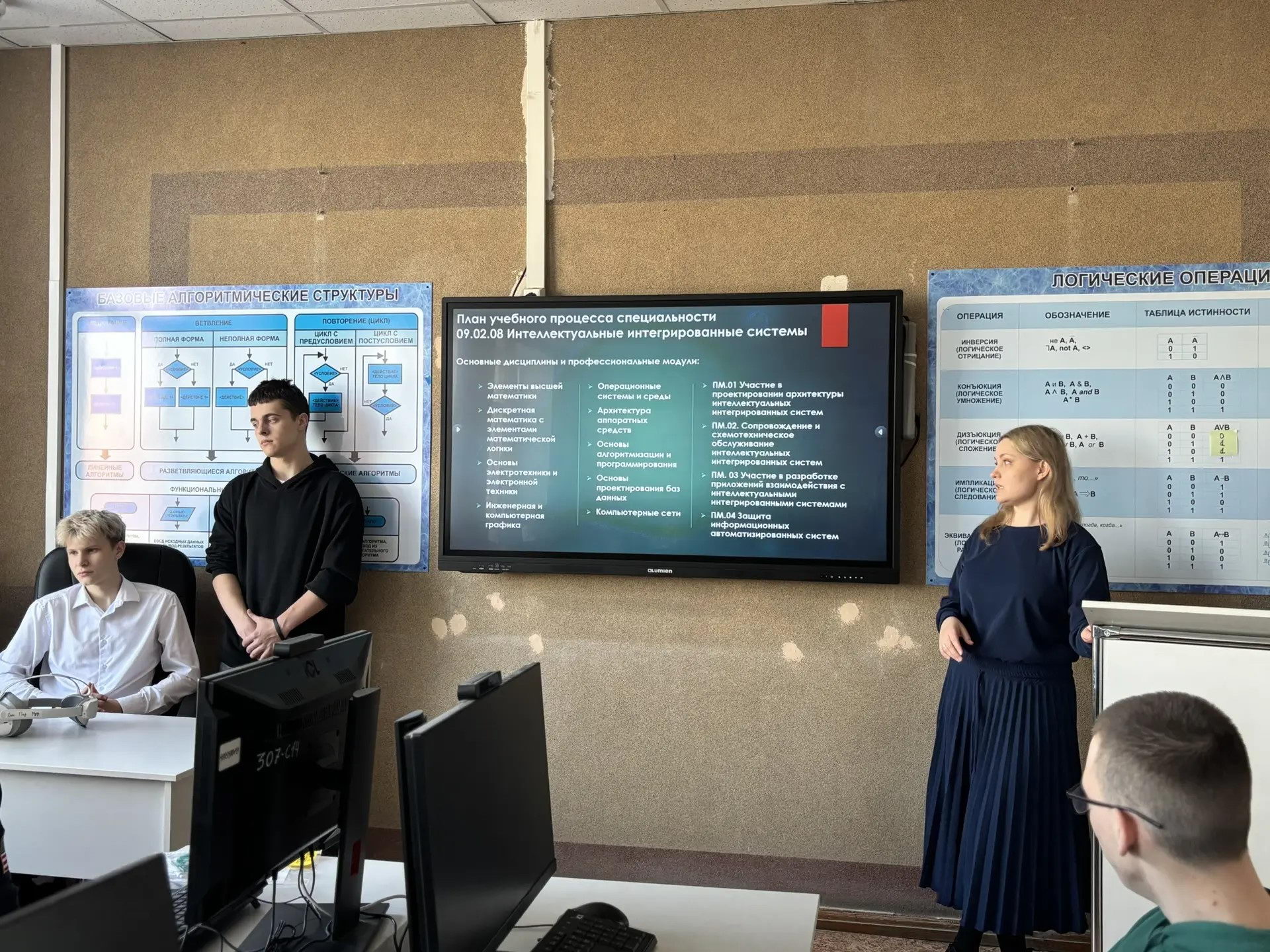
Intelligent integrated systems

Area of professional activity of graduates: computer science, communications, automation, industry, transport and energy.

The objects of the graduates’ professional activity are:

A technician in intelligent integrated systems develops hardware and software interfaces for microcontroller systems, supports acceptance testing of systems and subsystems, monitors the operation of integration systems, develops software modules for intelligent integration systems, works in the field of expert systems, ensures the operation of biofeedback systems and designs systems with an intelligent interface.

Types of professional activity for which the graduate is prepared participation in designing the architecture of intelligent integrated systems; support and circuit engineering maintenance of intelligent integrated systems; participation in developing applications for interaction with intelligent integrated systems; mastering types of work in one or more manual trades or clerical positions.

Information systems and programming

The specialism covers a fairly wide range of areas of professional activity, which makes it possible to gain knowledge of information system security, computer maintenance and repair, network administration, and application and system programming.

The objects of the graduates' professional activity are:

  • development of software modules for organisations of various legal forms;
  • development of mobile applications;
  • system programming;
  • implementation and support of computer systems;
  • database management and automation;
  • database development and protection.

Types of professional activity for which the graduate is prepared:

  • development of software modules for computer systems;
  • integration of software modules;
  • support and maintenance of computer system software;
  • co-administration of databases and servers;
  • development, administration and protection of databases.

Finance

Area of professional activity of graduates: organising and carrying out the work of the financial, planning and economic and tax services of organisations of various legal forms, and of the financial and economic services of state authorities and local self-government bodies.

The objects of the graduates' professional activity are:

financial transactions carried out by organisations of various legal forms and by state authorities and local self-government bodies;
the property and liabilities of organisations, state authorities and local self-government bodies;
financial and business information;
financial statements.

Types of professional activity for which the graduate is prepared:

  • financial and economic planning in the sector of state and municipal administration and organising the execution of the budgets of the budget system of the Russian Federation;
  • handling settlements with the budgets of the budget system of the Russian Federation;
  • participation in the financial management of organisations and carrying out financial transactions;
  • participation in organising and carrying out financial control.

Economics and accounting

Area of professional activity of graduates: accounting for the property and liabilities of an organisation, carrying out and recording business transactions, processing accounting information, making settlements with the budget and extra-budgetary funds, preparing financial statements, tax accounting and tax planning.

The objects of the graduates' professional activity are:

  • the property and liabilities of the organisation;
  • business transactions;
  • primary work teams;
  • financial statements;
  • tax information;
  • financial and business information.

Types of professional activity for which the graduate is prepared:

  • Maintaining accounting and tax records;
  • Preparing and using the accounting (financial) and tax statements of an economic entity;
  • Performing work in one or more manual trades or clerical positions.

  Opportunities and advantages of studying

Admission on general terms based on the average school certificate grade

  Education is available to every school leaver. Admission takes place on general terms based on the average grade of the school certificate. No entrance examinations are required – you only need to submit an application and provide the documents.

High-quality and fast professional training

  We train specialists who are in demand on the labour market straight away, and the time of study flies by – because every day is filled with real tasks, projects and discoveries.

Practical focus

  The training is built on practice: students solve real business cases and work with modern software. Work placements are provided at partner organisations.

Demand for specialists on the labour market

  Graduates are in demand on the labour market thanks to practice-oriented training. Accountants, banking specialists, finance professionals and IT specialists are equally needed by business in any economic situation.

Further study at a university without sitting the Unified State Exam

  Graduates can enter a university without the Unified State Exam – through internal examinations, provided the field of study matches.

Receiving a scholarship

  If you are enrolled in a state-funded place, you are guaranteed an academic scholarship from September to December regardless of your average school certificate grade. After that – based on the results of the examination session.

Two comfortable halls of residence

  Students from other towns and cities are provided with places in comfortable halls of residence within walking distance of the academic building. Cosy rooms, kitchens, recreation areas and 24-hour security – your home for the duration of your studies.

Testimonials

Timofey Abrashitov

Timofey Abrashitov

second-year student of the Information Systems and Programming (ISiP) specialism, study group 420

I am in my second year and can say with confidence that the standard of teaching at the college is high. The lecturers show sincere interest in...

Kamil Khabushev

Kamil Khabushev

second-year student of the Finance specialism, study group 411

When I applied here, I was a little worried — what if the teaching turned out not to be up to standard? But everything turned out even better than I...

Polina Mordovskikh

Polina Mordovskikh

student of the Economics and Accounting (EiBU) specialism, study group 308

The college has a friendly atmosphere, which makes it easy to make new acquaintances and find friends among fellow students. According to graduates...

Andrey Abolmasov

Andrey Abolmasov

third-year student of the Information Systems and Programming (ISiP) specialism, study group 318

It is great that they teach real skills here, not just theory! In the third year there is help with your CV and with work placements, and you feel...

Nikita Slastnikov

Nikita Slastnikov

fourth-year student, study group 210

At the final stage of my studies I understand particularly clearly that choosing this college was one of the best decisions. Everything is in place...

Выбрать дату

Выбрать дату

Выбрать год